

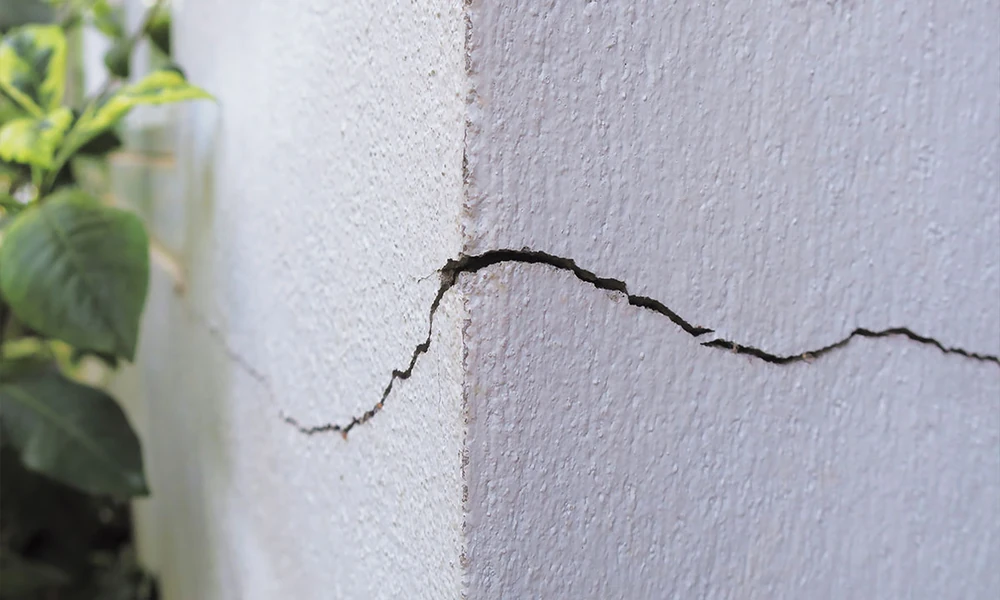
Every autumn, a certain kind of worry spreads through East Tennessee neighborhoods. A bedroom door that closed easily in June now rubs at the top corner. The crack above the kitchen window looks longer than anyone remembers. Nothing dramatic happened overnight. The house is reacting to a long, hot summer followed by a fall that tends to run dry, and the ground underneath is doing most of the talking.
Families who want a local set of eyes on those changes often turn to Cornerstone Home Solutions, a family owned Knoxville company focused on foundation repair. Before anyone picks up the phone, though, it helps to understand why homes here move the way they do and how to separate a harmless hairline from a real warning.
What’s really going on beneath a Knoxville lawn?
Two very different materials share the job of holding your house up. Near the surface sits the region’s famous red clay. Clay behaves like a sponge. It swells after soaking spring rains and shrinks as the soil dries out in late summer and early fall. Soil at the edges of a house loses moisture faster than soil under the middle, so the perimeter can drop slightly while the center stays put. That uneven movement is what twists door frames and opens cracks at wall corners.
Deeper down is limestone and dolomite, the bedrock of the Valley and Ridge region. Groundwater slowly dissolves this rock, creating the karst terrain that leaves Knox County dotted with sinkholes. A hidden void doesn’t need to swallow a car to cause trouble. Even a small one can let fill soil wash downward, and a single corner of a house may settle in a pattern that looks nothing like ordinary clay movement.
Add roughly 47 inches of rain a year and muggy summers, and the stage is set for most of the foundation and crawl space issues local homeowners deal with.
Where should you look first?
A useful habit is to walk the property in a set order, starting outside, moving indoors and finishing underneath.
- Stair step cracks running through brick or block, especially near corners
- Brick pulling away from window frames, or a chimney leaning slightly off the wall
- A visible gap between the soil and the foundation, a classic sign of shrinking clay
- Downspouts emptying water right against the wall
Inside, the clues are subtler:
- Doors that stick or show an uneven gap along the top
- Diagonal cracks spreading from the corners of doors and windows
- Crown molding separating from the ceiling, or drywall nail pops
- Floors sloping enough that a marble rolls on its own
Beneath the house, if you have a crawl space:
- Damp or sagging floor joists and a musty smell
- White or fuzzy growth on wood
- Stacked block piers that lean or have been shimmed with scrap lumber
- Standing water after heavy storms
Which cracks can wait, and which can’t?
Concrete shrinks as it cures, so thin vertical cracks narrower than about 1/8 inch that stay the same size are usually cosmetic. The cracks that deserve attention are horizontal cracks in basement block walls, cracks noticeably wider at one end, cracks that let water or daylight through, and any crack that keeps growing.
Tracking is simple and surprisingly revealing. Mark both ends of a crack with a pencil, write the date beside it, and photograph it next to a ruler or coin. Check again in six to eight weeks. If it opens in the dry months and partly closes once winter rains return, that points to seasonal clay movement. Steady widening in every season suggests ongoing settlement or something happening deeper in the ground.
Why a sagging floor isn’t always a foundation problem
Many older Knoxville homes were built over vented crawl spaces. The idea was that outside air would keep things dry. In a humid climate, it often does the opposite. Warm summer air drifts in, meets cooler surfaces and condenses. Over time the wood absorbs that moisture, fungus softens it, and floors begin to bounce or dip.
That kind of sag comes from failing framing rather than a sinking footing, and the fix is different. It might mean sistering new lumber alongside weakened joists, adding adjustable steel supports on proper footings, and then drying the space out for good. Encapsulation does that last part by lining the floor and walls with a heavy vapor barrier, sealing the vents and running a dehumidifier to keep humidity below about 60 percent.
What do the repairs actually involve?
Foundation work covers a wider range than most people expect, and the right method depends on the cause.
- Push piers are steel sections driven hydraulically down to bedrock or firm soil, using the weight of the house for resistance. Because limestone is often within reach here, they suit many local homes.
- Helical piers screw into the ground and work well for lighter loads such as porches, decks and small additions.
- Wall anchors and carbon fiber straps stabilize basement walls that bow inward from soil pressure.
- Polyurethane foam injection lifts sunken slabs like patios, garage floors and driveways with very little disruption.
- Drainage corrections include downspout extensions, French drains, sump pumps and regrading so the soil falls at least six inches over the first ten feet away from the house.
Drainage is usually the least expensive step and frequently the first one worth doing, since water drives most clay movement. Settlement tied to a suspected sinkhole is its own category and often calls for a geotechnical evaluation before anyone recommends a repair.
How do you size up a repair plan?
A few questions protect your budget and your peace of mind.
- Would an independent structural engineer’s report, which typically costs a few hundred dollars, help before committing to major work?
- Does the plan address the water causing the problem, or only the visible damage?
- Is the warranty transferable to a future buyer? In a busy Knoxville market, that can matter at resale.
- Will the work require a permit, and who pulls it?
- If damage is limited to one corner, why would the whole house need piers?
Make fall your inspection season
Right now is actually the best time to look. The dry stretch of autumn shows clay at its most shrunken, so what you see in October is close to the worst your house will show all year. Walk the property once in fall and once in spring, clear gutters after the leaves drop, and keep dated photos on your phone.
Houses built on this ground will always shift a little. The goal is learning the difference between normal seasonal movement and a house that genuinely needs help.
