

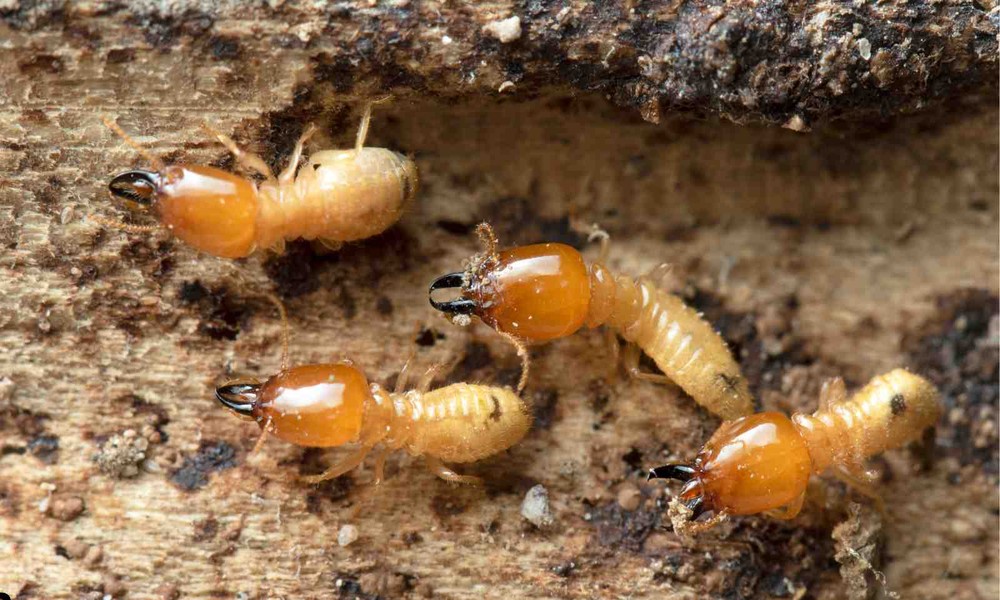
Termites don’t knock before entering. They operate stealthily and, by the time their effects are recognized, permanent harm has often been done. That is what renders them so perilous. The good news? If you use the right strategy for termite prevention, you can keep your home safe before there are problems.
This is not about being scared − it is about being one step ahead.
Being proactive allows you to identify risks early and take corrective measures instead of waiting for things to get worse and costly repairs. In the long term, prevention you can control and learn what to expect far less often.
Why are Termites So Hard to Detect?
Termites, unlike other pests, do not travel in the open. They conceal themselves inside walls, floors, and wooden structural components. But by the time you notice them, damage may have been done.
Treatment is not the sole solution which is why termite prevention is your real key. It is much cheaper and easier to prevent them than to fix what they destroy.
They frequently construct concealed tunnels that protect them while they eat, which means they are even more difficult to detect. Due to this you have to do regular checks and should keep an eye towards the subtle warning signs before the damage spreads more.
The Conditions That Attract Termites
Termites are not random. All they do is look for a specific condition that suits them to survive and thrive.
Common triggers include:
- Moisture around your home
- Soil contact wood
- Poor ventilation in closed spaces
- Cracks in walls or foundations
Your home will be a sitting duck if you have the three first principles. So, a big part of proper termite prevention is reducing them.
Little Things That Work Wonders
No complicated way to prevent termites. A few small and regular acts can keep your home safe for ages.
Keep Moisture Under Control
Repair all pipes that lead to a drain that is clogged and work properly. Termites thrive in damp areas.
Store Wood Carefully
Stacked firewood or wooden items should not be placed near the foundation of your home.
Seal Entry Points
If you find gaps and cracks on the walls or floors and utility lines, seal them properly.
Maintain Proper Ventilation
Adequate airflow reduces the amount of mold in the basement and reduces the humidity level in the crawlspace.
These habits help provide a base for good termite prevention.
The Early Warning Signs Not to Be Dismissed
Smart to remain vigilant even with prevention. Preventing termite damage when they are still undetected can save you expensive repair bills.
Watch out for:
- Hollow-sounding wood
- Signs of mud tubes running along walls or the foundation
- Abandoned wings around windows and doors
However, these don’t always mean there’s a serious pest problem, but these should still not be taken lightly.
When Does It Make Sense to Get Help?
Sometimes, prevention needs expert support. They can check your home and provide protective methods.
They offer:
- Detailed inspections of hidden areas
- Preventive barriers and treatments
- Long-term monitoring solutions
For peace of mind, a combination of DIY and professional-grade termite prevention is a no-brainer.
Final Thoughts
Termites don’t wait for permission. They exploit weaknesses and breed in silence. So, waiting to see damage is an expensive mistake.
Termite prevention is not simply for keeping pests away; it is for protecting your home, your money, and your peace of mind.
After all, with termites, the best repair is a repair you never have to make.
