

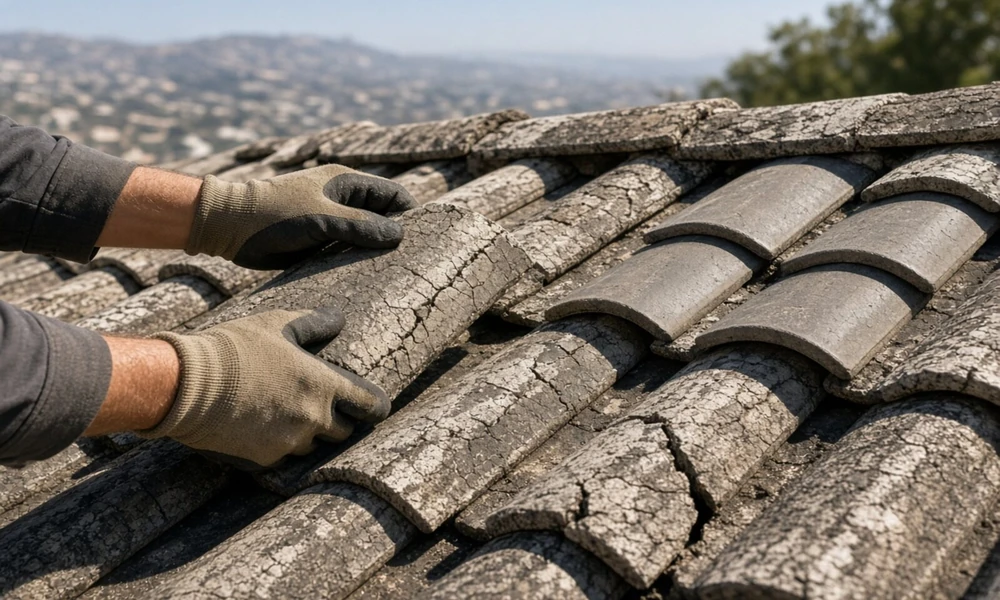
Clay and concrete tile has a reputation for lasting a lifetime, and the tiles themselves often do. Walk through an older neighborhood of Spanish and Mediterranean homes and you’ll see roofs that still look almost new from the street. Yet many of those same houses have a stain on a bedroom ceiling or a damp patch in the attic. The tile looks fine. The trouble is usually underneath.
That gap between how a roof looks and how it performs explains a lot of calls for Livermore roof repair, especially after the first heavy storms of the season. Tile is a decorative, sun-resistant outer layer. The real waterproofing sits below it, in a membrane that ages on its own schedule. Once you understand how the layers work together, it’s much easier to judge whether a leak calls for a small fix or a bigger conversation.
Long, hot summers and short bursts of winter rain are tough on that hidden layer. Heat bakes it for months, and then a single storm tests every weak spot at once.
How a Tile Roof Actually Sheds Water
Think of a tile roof as two roofs stacked on top of each other. The tiles on top block sun, deflect wind-driven rain and carry most of the water down to the gutters. Some water always gets past them, through the gaps between pieces, around the nail holes and under the edges during windy storms. That’s normal and expected.
Below the tile sits the underlayment, usually felt or a synthetic membrane fastened to the roof deck. Its job is to catch whatever slips past the tile and send it down to the eaves. On many older homes, that layer is the original felt. After decades of heat, it can turn brittle, crack along the battens or tear where people have walked on the roof.
When the underlayment fails, the tile can still look perfect. Water simply finds the hole beneath it and drips onto the deck, the framing and eventually the ceiling.
Where the Water Usually Gets In
Leaks rarely start in the middle of a large, plain section of roof. They gather where the roof changes direction or where something pokes through it.
Valleys. Where two roof slopes meet, water from both sides funnels into a metal channel. Leaves and debris collect there, water backs up, and old valley metal can rust or separate from the underlayment beside it.
Penetrations. Plumbing vents, furnace flues, skylights and solar mounts all cut through the roof. Each one depends on flashing and sealant, and sealant breaks down quickly in strong sun.
Walls and chimneys. Where a roof meets a vertical wall, step and counter flashing should overlap like shingles. Stucco cracks, loose counter flashing or missing kickout flashing at the bottom can send water behind the wall itself.
Broken or slipped tiles. A cracked tile won’t always leak on its own. It does expose the underlayment below to sun and rain, which speeds up its aging in that exact spot.
Clues You Can Spot From Inside
You don’t need to climb a ladder to gather useful information. Several signs show up indoors or in the attic first:
- Brown rings or bubbling paint on a ceiling, especially near exterior walls
- Daylight visible through the roof deck from inside the attic
- Dark streaks or soft spots on the underside of the sheathing
- Rusty nail tips poking through the deck
- A musty smell in a closet or upper room after rain
Water travels before it drips. It can run along a rafter or the top of the drywall for several feet, so the stain may sit far from the real entry point. That’s one reason a careful repair starts in the attic and on the roof, not just at the ceiling stain.
What a Proper Repair Involves
Patching a tile roof from the top with a tube of sealant rarely lasts. A lasting repair usually means lifting the tiles around the problem area and stacking them aside. The roofer then fixes the layer that actually failed, whether that’s torn underlayment, a rotted section of deck or a corroded flashing piece. After that, the original tiles go back in place, with any broken ones swapped for matching pieces.
Finding matching tile can be the hardest part on older homes, since some profiles and colors are no longer made. Many roofers keep salvaged tiles, or they pull a few from a hidden spot like a rear slope or garage roof to patch a visible area.
If water has been getting in for a while, the repair may also involve drying and cleaning the attic. Damp insulation and framing can grow mold within a day or two. The EPA’s guidance on mold cleanup at home explains when a small area can be handled by a homeowner and when larger growth calls for professional help.
When Repair Turns Into Re-Laying
At some point, spot repairs stop making sense. If the underlayment is failing across most of the roof, fixing one valley this year and another next year just chases the problem. The usual answer for tile is a “lift and relay.” The tiles come off, new underlayment and flashing go down, and the same tiles go back on.
This often costs much less than a full replacement with new material, because the tile itself still has decades of life left. It also keeps the look of the house intact, which matters in neighborhoods with design guidelines or HOA review.
Timing Repairs Around the Weather
Repairs are easiest to schedule in the dry months, when crews can safely lift tiles and leave sections open for a short time. Waiting until a storm is on the way usually leads to rushed temporary fixes. The National Weather Service San Francisco Bay Area office posts forecasts and storm outlooks that can help you plan an inspection before the first big system arrives.
A roof that looks perfect from the curb can still be close to its limit underneath. Paying attention to the layers you can’t see, and dealing with small leaks while they’re still small, is what keeps a tile roof living up to its long reputation.
