

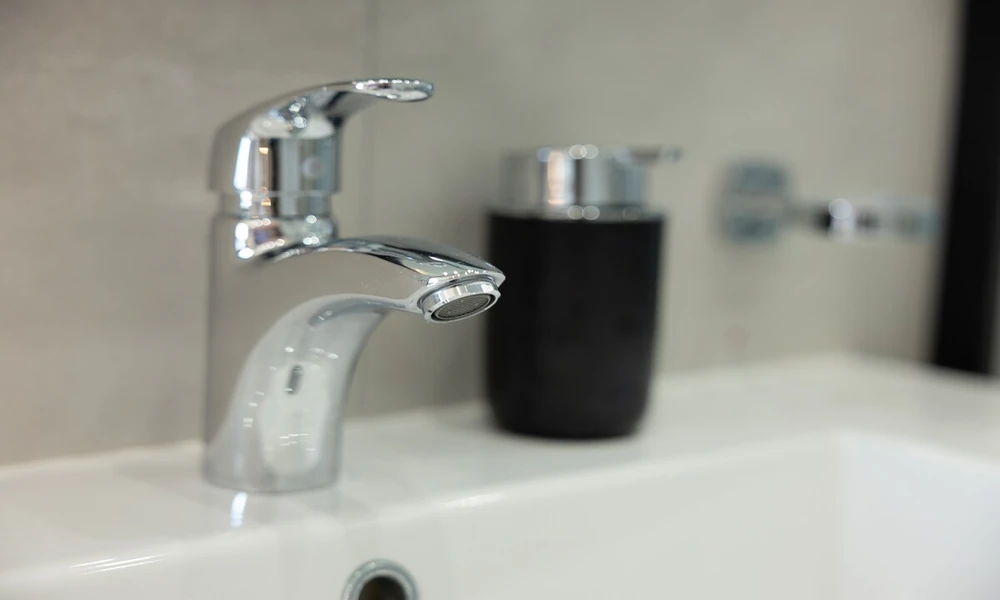
That chalky white ring on the shower door, the crust around the faucet base, and the kettle that sounds like it is full of gravel all come from the same place. Most of the water in this part of Texas starts in the Edwards Aquifer, a vast formation of porous limestone. Rain soaks into it, travels slowly through the rock, and picks up calcium and magnesium along the way. By the time it reaches a kitchen tap, it carries a mineral load that heavier rainfall regions never see.
The local utility puts typical hardness in its water at 15 to 20 grains per gallon. Anything above about 7 counts as hard, so homes here sit well past the point where scale becomes a daily fact of life. Those minerals stay dissolved while the water is cool and moving. Heat it or let it evaporate, and they come out of solution as a crust that clings to whatever is closest.
Knowing where that crust collects helps a homeowner decide what to maintain, what to treat, and when to call a San Antonio plumber for help. The locally owned team at greenridgeservicesllc.com installs and repairs water softeners and services both gas and electric water heaters, often quoting a firm price over the phone before anyone arrives. Its crews hold a Texas master plumbing license and cover neighborhoods from Live Oak and Windcrest out to Universal City, with discounts set aside for military members, first responders and seniors.
First Stop Is the Tank That Heats Everything
No appliance takes more punishment from hard water than the water heater. Every gallon warmed inside the tank drops a little of its mineral load, and that sediment settles in a layer across the bottom. On a gas unit, the burner has to push heat through that layer before it reaches the water, so the steel underneath runs hotter and the fuel bill creeps up. The popping and rumbling sound many homeowners hear is water trapped beneath the sediment, flashing into steam.
Electric heaters suffer differently. The lower element sits right in the sediment zone and gradually gets wrapped in scale until it burns out. Replacing an element every couple of years is a common pattern in hard water homes, and it usually points to a tank that has not been flushed in a long while.
Tankless units handle the problem in their own way. Their heat exchangers have narrow passages that scale can choke within a few years, triggering error codes and lukewarm showers. Most manufacturers call for a descaling flush through the service valves at least once a year in water this hard, and some installers suggest doing it more often.
Small Openings Clog Before Anything Else
Scale loves tight spaces. Faucet aerators, showerhead nozzles and the tiny ports inside single handle cartridges narrow first, which is why water pressure at one fixture can fade while the rest of the house seems fine. Soaking an aerator or showerhead in white vinegar overnight dissolves most of the buildup. Cartridges that grind or drip after years of mineral wear usually need replacing rather than cleaning.
Toilets hide the problem well. The rim jets under the bowl’s lip slowly fill with scale, so flushes get weaker and leave streaks behind. Fill valves stick and flappers stiffen, which produces that ghost refill in the middle of the night and a quiet climb in the water bill.
Appliances Feel It in Their Wallets
Dishwashers and washing machines both use small heaters and both rely on solenoid valves that scale can jam. Glassware comes out cloudy, detergent seems to work poorly, and laundry feels stiff. Refrigerator ice makers and their supply lines clog with mineral flakes, and coffee makers slow to a trickle. None of these are dramatic failures, but together they shorten the working life of equipment that costs real money to replace.
Inside the Pipes Themselves
Copper lines tend to hold up reasonably well in this water, though scale can build at fittings and in hot water runs over decades. Older galvanized steel is another story. Mineral deposits combine with rust on the inside walls until a pipe that started at three quarters of an inch behaves like one half that size. Homes still running galvanized supply lines often show low pressure throughout, and repiping is usually the lasting fix. PEX resists scale on its walls, although the brass or plastic fittings that join it can still collect deposits over time.
Choosing How to Fight Back
Treatment options vary in what they actually do, and the choice depends on the household.
- A traditional salt based softener swaps calcium and magnesium for sodium inside a resin tank, which truly removes hardness from the water.
- Salt free conditioners change how minerals behave so they cling less, but they leave the minerals in place and struggle at the hardness levels found here.
- A reverse osmosis unit under the kitchen sink delivers very pure drinking and cooking water without treating the rest of the house.
- Whole house filters handle chlorine taste and sediment, yet they do little for hardness on their own.
Sizing matters with a softener. A rough figure multiplies the hardness your water utility reports in grains by the number of people and about 75 gallons each per day. A family of four on 18 grain water needs a unit that can remove roughly 5,400 grains daily, which points most homes toward a 32,000 to 48,000 grain system. Demand initiated models, which regenerate only when the resin is spent, use far less salt and water than older timer units.
There are tradeoffs worth weighing. Softened water adds a small amount of sodium, which is why many homes keep a bypassed tap or a reverse osmosis line for drinking. Soft water can also wear through a water heater’s anode rod faster, so checking that rod every few years becomes part of routine care. The brine discharge needs a proper air gap at the drain to keep wastewater from siphoning back.
Living Comfortably With Hard Water
Many households get by without full treatment, especially renters or people planning a short stay. In that case, a yearly tank flush, regular vinegar soaks for fixtures, and an eye on any appliance that starts slowing down will cover most of the damage. Homeowners who plan to stay put often find that a properly sized softener pays for itself in longer lasting water heaters, fewer cartridge replacements and less time scrubbing glass.
Either way, the minerals are not going anywhere. They are part of what makes the aquifer’s water so plentiful and dependable in the first place. The trick is deciding where you want that limestone to end up, whether it settles in a resin tank built to hold it or in the bottom of a water heater that was never meant to.
