

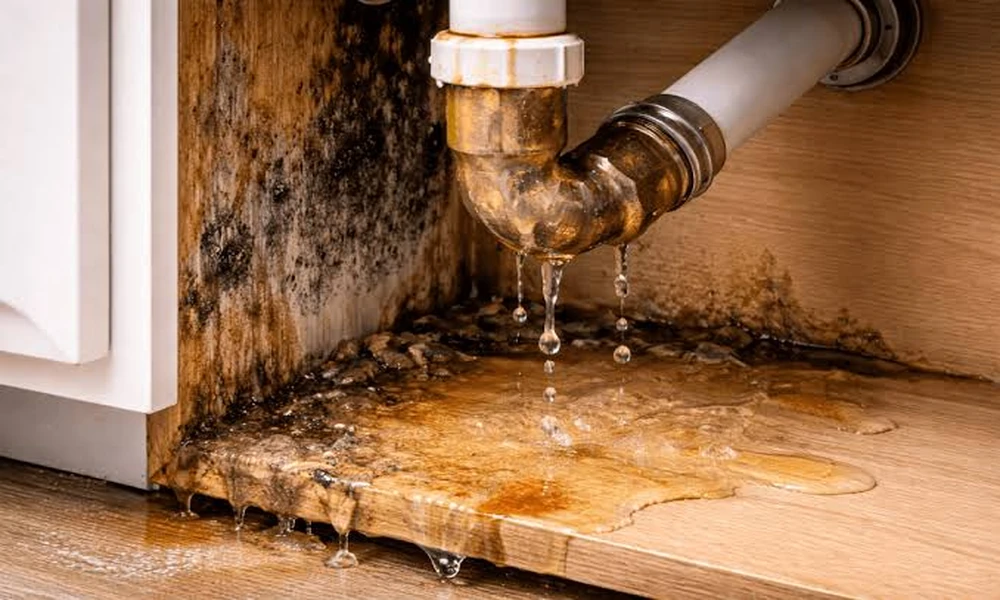
Ask anyone who has lived through a Georgia summer and they’ll tell you the air itself feels heavy. That same moisture-rich climate that makes porches and gardens thrive is also quietly working against the inside of your home. A slow drip under a sink or a stretch of wet insulation can go unnoticed for days while the humidity does the rest.
For homeowners in northeast Georgia, understanding how Athens water damage restoration works before a problem strikes makes a stressful situation far easier to manage. Knowing what happens, in what order, and why timing matters gives you a real advantage when water shows up uninvited.
This guide explains how the local climate shapes water damage risks, what to do in the first hours, how drying works, and how to tell when a problem has outgrown a mop and a fan.
Why Georgia Homes Face Unique Water Risks
Warm temperatures speed up nearly everything water damage touches. Mold growth, bacterial activity, and material breakdown all move faster when it’s warm and damp. The U.S. Environmental Protection Agency explains that mold can’t grow without moisture, and that wet materials dried within 24 to 48 hours usually avoid it. The agency’s mold cleanup guidance is a useful reference for understanding that window.
Several local factors raise the stakes:
- Frequent heavy rain: Strong storms can overwhelm gutters, flashing, and drainage around foundations.
- High indoor humidity: Air conditioning systems that run constantly can produce condensation problems in ductwork, attics, and walls.
- Older plumbing and roofing: Homes with aging supply lines, water heaters, or shingles are more prone to sudden failures.
- Dense vegetation and clay soil: Slow-draining ground can direct water toward a foundation instead of away from it.
Common Causes at a Glance
Not every water event looks the same. This table shows how typical causes tend to behave:
| Source | Speed | Typical Warning Signs | Usual Hiding Spot |
|---|---|---|---|
| Burst or leaking pipe | Fast or slow | Stains, warped drywall, higher water bills | Inside walls, under floors |
| Roof leak | Gradual | Ceiling discoloration, damp attic insulation | Attic, upper-floor ceilings |
| Appliance failure | Sudden | Pooling near washer, dishwasher, or water heater | Beneath cabinets and flooring |
| HVAC condensation | Slow | Musty smell, damp vents | Ductwork, air handler closets |
| Storm or flood intrusion | Sudden | Standing water, mud, debris | Crawl spaces, basements, garages |
What to Do in the First Hour
Speed matters more than perfection here. Work through these steps in order:
- Prioritize safety. If water is near electrical outlets or the breaker box, cut power only if you can do so without stepping into water.
- Stop the source. Close the main shutoff valve or the supply line for the affected fixture.
- Take photos and video. Capture the damage before you move or discard anything.
- Remove standing water. Use towels, a mop, or a wet/dry vacuum.
- Move belongings. Take valuables, rugs, and small furniture to a dry area.
- Increase airflow. Run fans and a dehumidifier, and open windows only when outdoor humidity is lower than indoors.
- Contact your insurer. Ask about coverage and any documentation they require.
How Professional Drying Actually Works
Many homeowners assume restoration means turning on a few fans. In reality, it follows a structured, measured process. The Centers for Disease Control and Prevention stresses that drying your home and removing water-damaged items is the single most important step for preventing mold. Its guidance on cleaning mold after a flood outlines this clearly.
A thorough restoration typically moves through these phases:
- Assessment: Technicians locate every wet area, including those hidden behind walls and under floors.
- Extraction: Pumps and extractors remove bulk water quickly.
- Drying: Air movers and low-grain refrigerant or desiccant dehumidifiers pull moisture from structural materials.
- Monitoring: Moisture readings are taken daily and compared against dry standards, so drying is verified rather than guessed.
- Cleaning and repair: Affected surfaces are cleaned, and materials that can’t be saved are replaced.
That monitoring step is what separates a job that looks finished from one that is finished. Materials can feel dry to the touch while still holding enough moisture to support mold.
Warning Signs You Shouldn’t Ignore
Water damage doesn’t always announce itself. Watch for:
- A musty or earthy smell that doesn’t go away
- Paint that bubbles, peels, or flakes
- Floors that cup, buckle, or feel spongy
- Ceiling stains that grow or change color
- Unexplained spikes in your water bill
- Visible mold, which can appear white, green, brown, or black
Quick Answers to Common Questions
How quickly does mold begin to grow?
Under the right conditions, it can start within one to two days. That’s why the 24 to 48 hour window comes up so often in public health guidance.
Is it safe to stay in the house during cleanup?
For small, clean-water incidents, usually yes. For large losses, sewage, or flooding, it’s best to follow professional advice, particularly if anyone has asthma, allergies, or a compromised immune system.
Can I just paint over a water stain?
Painting covers the discoloration but not the moisture behind it. Without fixing the source and drying the material, the stain and the underlying problem will likely return.
Does homeowners insurance cover water damage?
Often, when the cause is sudden and accidental, such as a burst pipe. Slow leaks and rising floodwater are frequently treated differently, so read your policy carefully and ask questions early.
Simple Habits That Reduce Your Risk
A little maintenance goes a long way:
- Inspect washing machine and dishwasher hoses annually
- Clean gutters and make sure downspouts discharge well away from the foundation
- Check your attic and crawl space after heavy storms
- Service your HVAC system and keep the condensate drain line clear
- Learn where your main water shutoff is, and make sure everyone in your household does too
- Keep indoor humidity under about 50 percent
Final Thoughts
Water damage is rarely dramatic at first. It starts quietly, then compounds as warmth and humidity speed things along. The homeowners who fare best are the ones who recognize the signs early, act within the first day or two, and make sure drying is verified before repairs begin.
Whether you’re dealing with a burst pipe or a mystery musty smell, a calm, informed response protects both your home and your peace of mind.
